history
Prada Nylon History: From the 1984 Backpack to Re-Edition
By The Luxury Verdict Editorial Team · November 1, 2026

Prada’s nylon story is often reduced to price tags or runway hype, but the material’s journey from a utilitarian military fabric to a symbol of contemporary luxury is a design narrative worth unpacking. By the end of this article you will know who first imagined the iconic nylon backpack, why Miuccia Prada turned to a fabric that editors quickly embraced while customers accustomed to leather needed persuading, where the original nylon was sourced, how the brand reinvented the material with its 2019 Re-Nylon initiative, and what the 2020 Re-Edition 2000 and 2005 mini bags borrow from their early-2000s predecessors. The timeline, design details and sustainability goals all reveal how a simple synthetic fiber reshaped Prada’s aesthetic for more than three decades.
Key takeaways
- Miuccia Prada introduced the first nylon backpack in 1984, after taking over the house in 1978, while earlier military-spec nylon pieces appeared in 197913.
- The designer chose nylon because it “suddenly began to look more intriguing” than traditional couture fabrics, offering a sleek, water-resistant alternative to leather1.
- Original nylon was black “Pocono” nylon, and sources note it came from a military supplier, though the exact source is not definitively confirmed.13.
- In June 2019 Prada launched Re-Nylon, a line built from ECONYL regenerated from ocean plastic, fishing nets and textile waste, with a pledge to eliminate virgin nylon by 202145.
- The Re-Edition 2000 and 2005 mini bags, revived in 2020, reinterpret the original 2000 and 2005 silhouettes, updating straps, pockets and material options while keeping the core nylon aesthetic67.
Origin of Prada Nylon
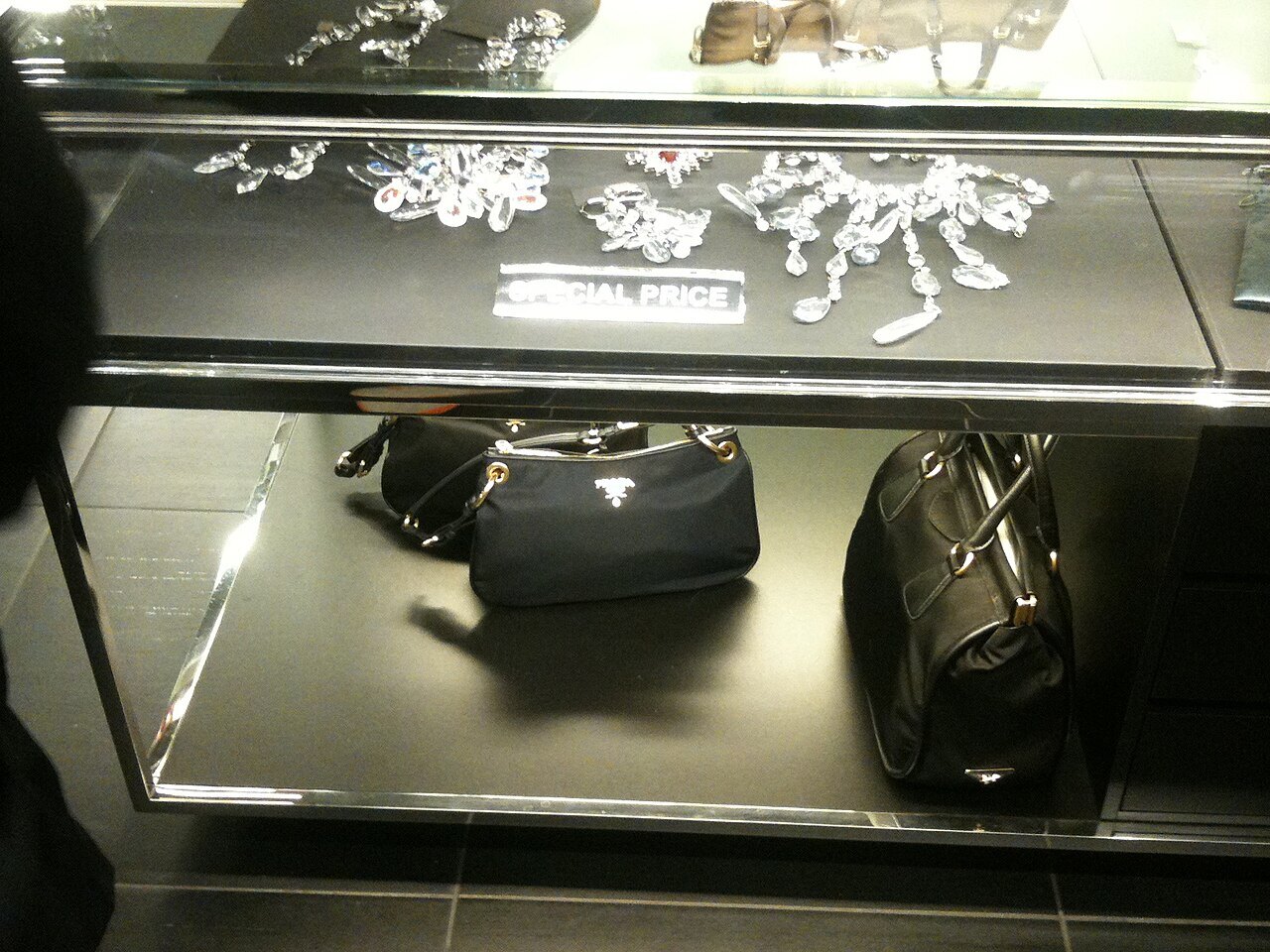
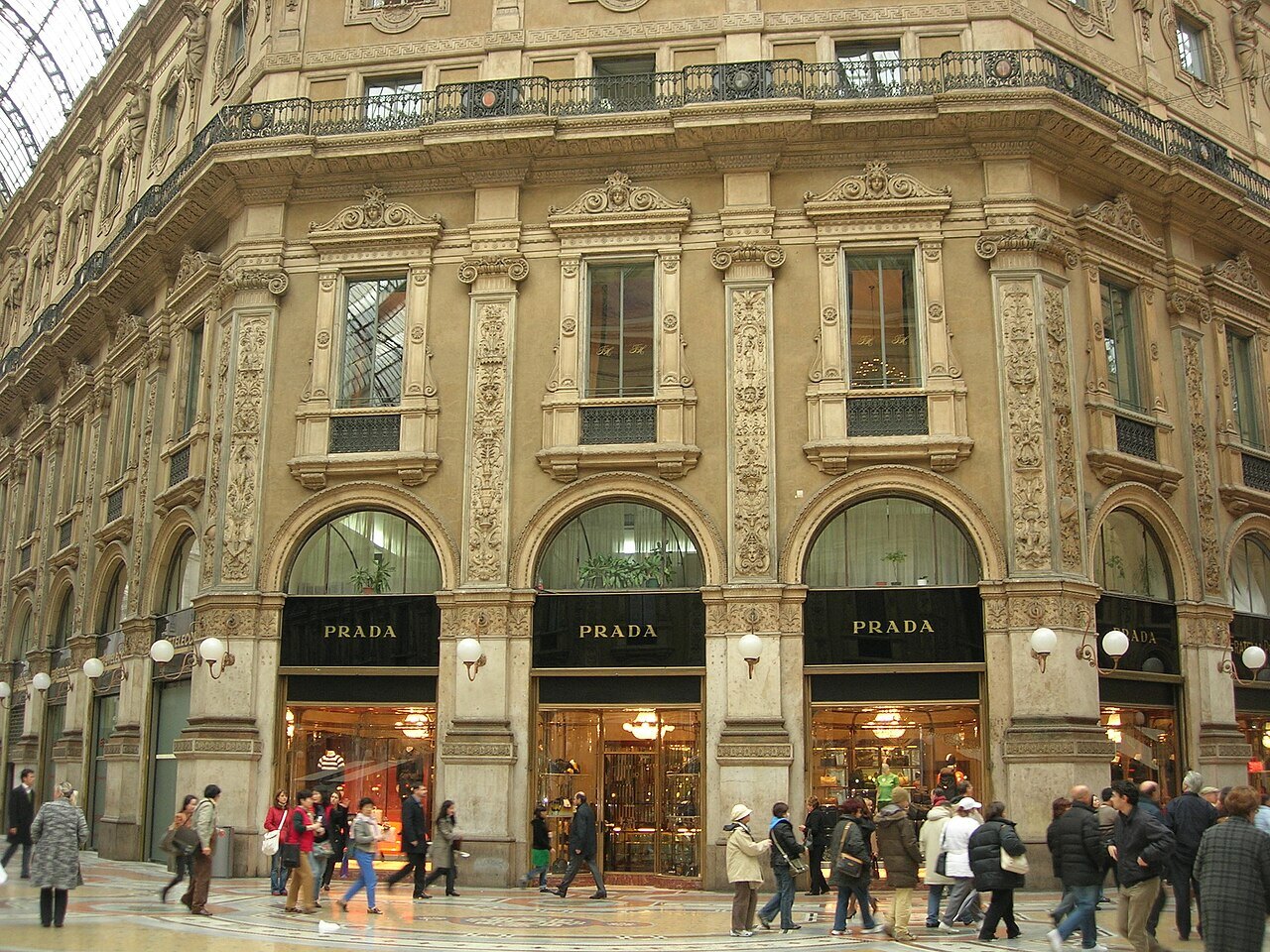
Prada had built its reputation on refined leather travel accessories when Miuccia Prada assumed leadership from her mother Luisa in 19783. The new creative direction quickly turned toward an unexpected material: military-spec black Pocono nylon. Wikipedia records that the house released its first nylon backpacks and totes in 1979, marking the brand’s first foray into synthetic fabrics3.
The exact debut year of the iconic backpack, however, is debated. W Magazine cites 1984 as the moment the nylon backpack entered Prada’s collection, after Miuccia’s takeover1. Amalfi Style corroborates the 1984 date, referring to a “Vela” backpack offered in black and brown that bore the water-resistant nylon label “pocone”2. The discrepancy between 1979 and 1984 reflects differing source dates for the nylon pieces.


The 1984 Backpack and Its Design Language
The 1984 backpack introduced a set of functional details that would become Prada’s nylon signature. W Magazine describes the original silhouette as having a soft, collapsible body, a drawstring closure, a flap cover and a “high fit” that sits close to the wearer’s back1. The original nylon came from a military supplier, and its durability contrasted with the house’s leather heritage.
Design-wise, the backpack’s utilitarian shape appealed to a younger, “anti-luxury” audience, as noted by Amalfi Style, which observed that the Vela model attracted younger customers looking for a sleek, water-resistant alternative to traditional leather bags2. The drawstring and flap not only provided easy access but also reinforced the bag’s sporty, unpretentious vibe, an aesthetic that editors quickly embraced, helping nylon become a regular part of Prada’s collections by the mid-1990s1.
Why Nylon? From Military Spec to Luxury
Miuccia Prada’s own words, quoted by W Magazine, reveal the conceptual shift: “nylon suddenly began to look more intriguing to her than couture fabrics”1. The appeal lay in nylon’s water-resistant properties and its visual neutrality, which allowed the brand’s minimalist aesthetic to shine without the weight of traditional leather.
The material’s military origin also contributed to its allure. The early pieces used black “Pocono” nylon, and sources indicate it came from a military supplier, though the precise origin remains unconfirmed, contributing to the bag’s durability and utilitarian appeal.


Re-Nylon: Regeneration and Sustainability
In June 2019, Prada announced the Re-Nylon project, a line of regenerated nylon made from ECONYL, a yarn produced by Italian textile maker Aquafil from ocean plastic, discarded fishing nets and textile waste4. The initiative set a clear sustainability target: phase out virgin nylon across all products by 2021, a goal reinforced by Luxury Briefing’s statement that the brand committed to converting all virgin nylon to ECONYL by the end of that year5.
The first Re-Nylon collection featured six styles for men and women, each marked with a reinvented Prada insignia that signaled renewal, and highlighted ECONYL’s ability to be recycled indefinitely5. The line included a tote, a shoulder bag, a belt bag and two backpacks, extending the classic nylon silhouette into a more environmentally conscious era2.
A 2026 W Magazine article notes that the Re-Nylon version of the original backpack remains nearly identical in shape, with the only alteration being a second loop for attaching accessories, while the fabric itself is now derived from recycled ocean waste such as fishing nets and landfill textiles1. This continuity of design underscores Prada’s commitment to preserving the bag’s iconic profile while dramatically reducing its environmental footprint.
Re-Edition Mini Bags: 2000 and 2005 Revivals
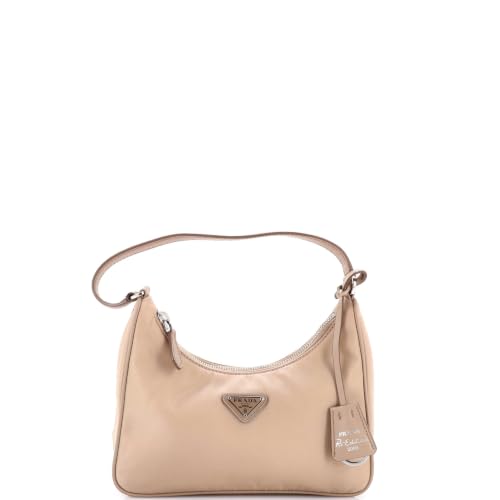
The early 2000s saw Prada expand its nylon repertoire beyond the backpack, introducing mini bags that would later achieve cult status. The Vintage Bar notes that the Re-Edition 2000 is more structured inside than the original 2000 mini bag, which was described as “baguette-like” with a short fabric strap and a Prada logo plaque.
The 2005 mini, originally released in that year, added functional details such as a removable strap and a detachable zip pocket or coin purse, each bearing its own logo plaque, plus a Saffiano leather keyring stamped “Prada Re-Edition 2005”.
In 2020, Prada revived both silhouettes as Re-Edition pieces; the Re-Edition 2005 is made in Prada’s Re-Nylon. The Re-Edition 2000 retained its baguette silhouette but introduced a more structured interior and a logo-lined lining, while the strap remained short and fabric-based6.
The Re-Edition 2005, according to Bustle, draws inspiration from the early-2000s Bandoliera Tessuto Mini Hobo and now offers longer cross-body straps, removable pouches and a range of material options, including nylon, ruched nylon, Saffiano leather and crystal-embellished satin, reflecting the bag’s evolution into a Y2K-style icon7.
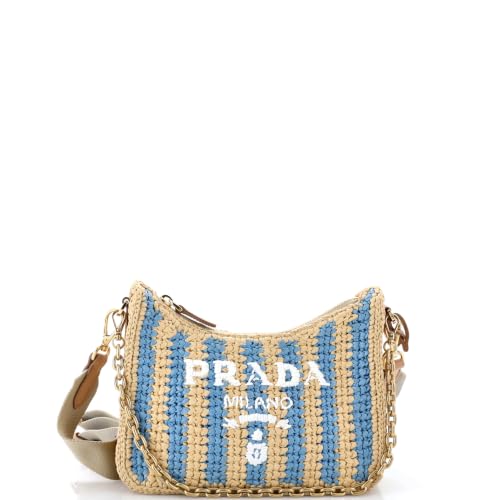
Special editions of both Re-Editions have appeared in soft terry, raffia, embroidered, artificially crystal-decorated and ruched versions, demonstrating the brand’s willingness to reinterpret the core shape across diverse textures while staying true to the original nylon aesthetic6. The cultural resonance of the mini bags is evident in celebrity adoption; for example, according to Bustle citing Page Six, Kylie Jenner gave her daughter Stormi several mini versions in December 2020, further cementing the bags’ status as contemporary status symbols7.
Answering Common Questions
Who designed the Prada nylon backpack and when?
Miuccia Prada is credited with introducing the nylon backpack, with W Magazine pinpointing 1984 as the launch year after she took over the house in 19781. Wikipedia notes earlier military-spec nylon backpacks appeared in 1979, indicating a developmental period that culminated in the 1984 release.
Why did Miuccia Prada choose nylon for a luxury house?
She found nylon “more intriguing” than traditional couture fabrics, attracted by its water-resistant qualities and its stark contrast to the leather focus of Prada’s heritage1. The fabric’s utilitarian roots also aligned with a growing desire for functional luxury.
Where did Prada’s nylon come from?
The original nylon was black “Pocono” nylon, and sources indicate it came from a military supplier, though the exact source is not definitively confirmed.
What is Re-Nylon?
Re-Nylon is Prada’s regenerated nylon line launched in June 2019, built from ECONYL yarn produced by Aquafil from ocean plastic, discarded fishing nets and textile waste. The brand pledged to eliminate virgin nylon by 2021, and the first collection featured six styles marked with a renewed insignia, emphasizing the material’s infinite recyclability45.
What are the Re-Edition 2000 and 2005 bags based on?
Both are reinterpretations of mini bags originally released in 2000 and 2005 respectively. The Re-Edition 2000 mirrors the baguette-like shape with a short strap and logo plaque, while the Re-Edition 2005 preserves the original compact size but adds a removable strap, a detachable zip pocket and a Saffiano leather keyring. The Re-Edition 2005 is produced in Prada’s Re-Nylon, linking the vintage silhouette to contemporary sustainability goals.
How does the Re-Edition 2000 differ from the 2005?
The 2000 version emphasizes a baguette-like profile, a short fabric strap and a more structured interior with logo lining, whereas the 2005 version retains the original size but offers a removable strap, a detachable zip pocket or coin purse, and a distinctive Saffiano leather keyring. Material variations, such as ruched nylon for the 2005, further differentiate the two, reflecting distinct design cues from their respective original releases.
Closing Thoughts
Prada’s nylon journey illustrates how a material born of military necessity can be reimagined as a luxury staple through strategic design choices and cultural timing. Miuccia Prada’s early fascination with nylon’s functional aesthetic broke the house’s leather monopoly, while the 1984 backpack’s minimalist hardware and collapsible form set a template that endures in today’s Re-Nylon reinterpretations. The brand’s commitment to regenerated yarn underscores a broader industry shift toward circularity, using fibers derived from ocean plastic. Finally, the Re-Edition 2000 and 2005 mini bags demonstrate Prada’s ability to honor archival silhouettes while adapting them to modern materials and consumer expectations. Together, these chapters compose a cohesive narrative of innovation, sustainability and timeless design within the history of Prada nylon bags.
Related Reading
Sources
- W Magazine: Prada nylon backpack history
- Amalfi Style: Prada, the inventor of the chic nylon bag (2021)
- Wikipedia: Prada (secondary)
- Another Magazine: Prada launches recycled nylon bags (June 2019)
- Luxury Briefing: Prada launches Re-Nylon project (Aug 2019)
- The Vintage Bar: Prada 2000 and 2005 Re-Editions (Aug 2020)
- Bustle: Prada Re-Edition 2005 bag